
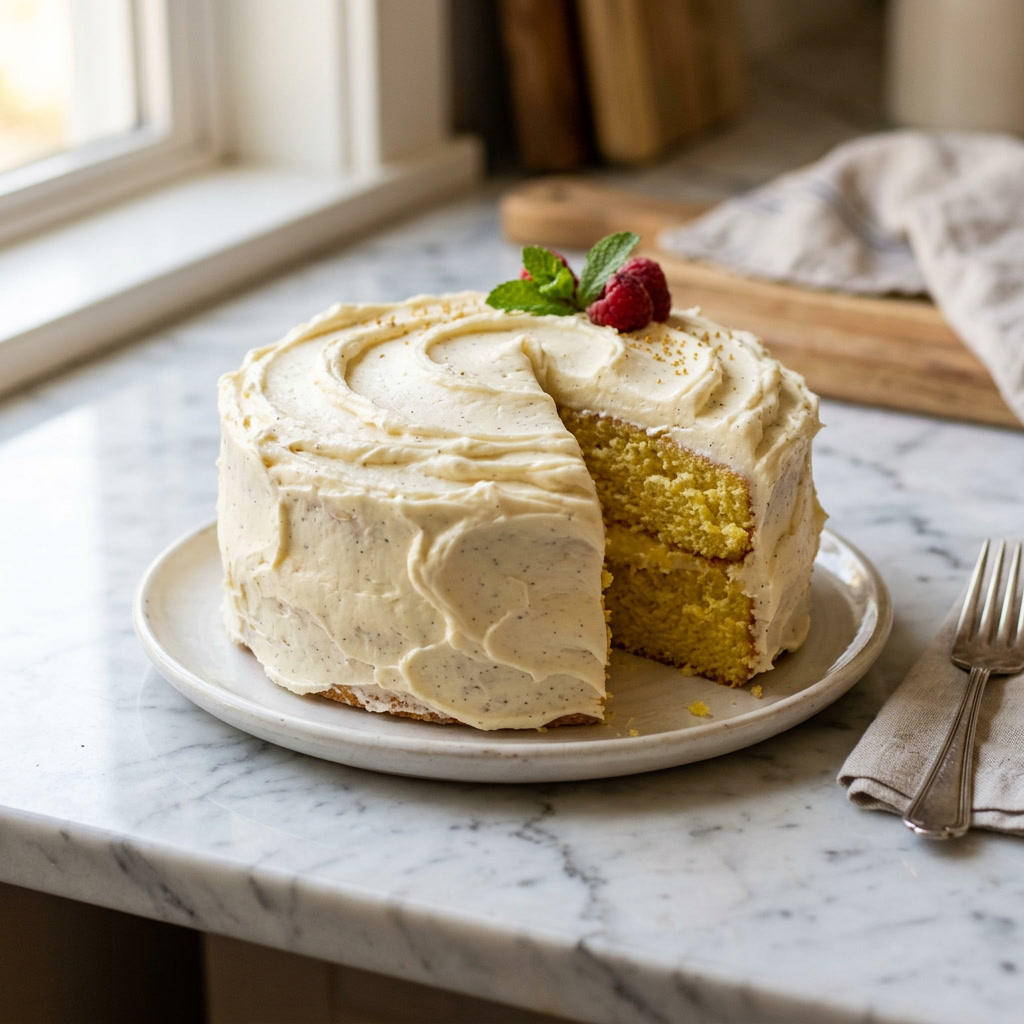
Baking from scratch can feel a little intimidating at first, especially when recipes are filled with unfamiliar terms, precise measurements, and long ingredient lists. But the truth is, every great baker started as a beginner. With a few basic tools, simple ingredients, and a little patience, anyone can learn how to bake delicious homemade treats right in their own kitchen.
Whether you dream of making soft cookies, fluffy cakes, gooey brownies, or fresh muffins, starting from scratch is one of the most rewarding skills you can learn. Not only does homemade baking taste better, but it also gives you complete control over the ingredients and flavors you use. Once you learn the basics, baking becomes easier, more fun, and incredibly satisfying.
Start with Simple Recipes
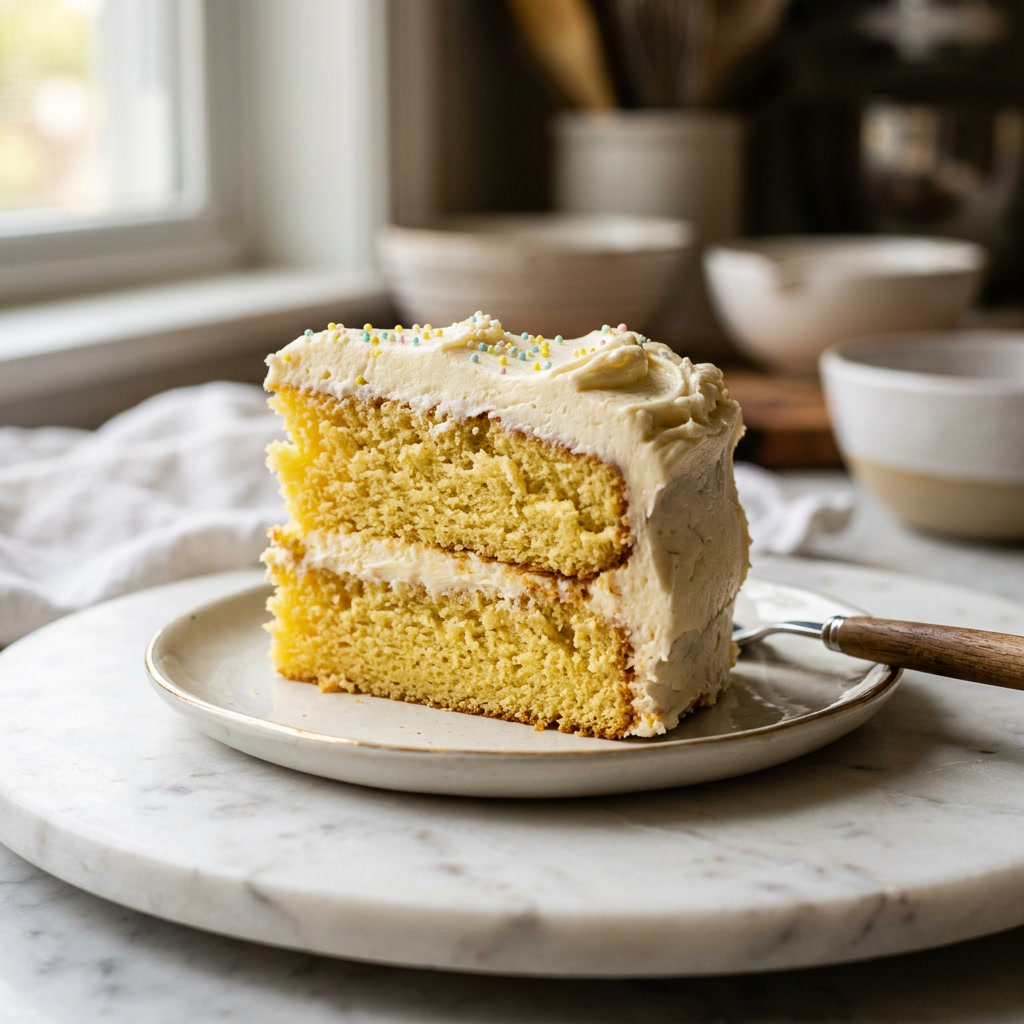
One of the biggest mistakes beginner bakers make is choosing recipes that are too advanced. Multi-layer cakes, pastries, and complicated desserts can quickly become overwhelming. Instead, start with simple, beginner-friendly recipes that help you build confidence.
Some great starter recipes include:
- Chocolate chip cookies
- Brownies
- Banana bread
- Muffins
- Simple vanilla cupcakes
- Coffee cake
These recipes are forgiving, easy to follow, and perfect for learning important baking basics.
Learn the Importance of Measuring Correctly
Baking is more precise than cooking, which means measurements matter. Too much flour can make baked goods dry, while too little can cause them to collapse.
For best results:
- Spoon flour into the measuring cup instead of scooping directly from the bag
- Level dry ingredients with a knife
- Use liquid measuring cups for milk and oil
- Read the recipe fully before starting
Many experienced bakers also recommend using a kitchen scale because it provides the most accurate measurements.
Stock Your Kitchen with Basic Baking Ingredients
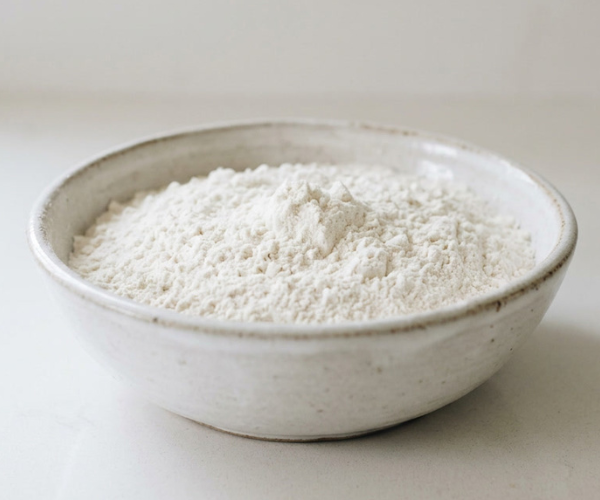
You don’t need a pantry full of fancy ingredients to start baking. Most beginner recipes use simple staples you may already have at home.
Some essential baking ingredients include:
- All-purpose flour
- Granulated sugar
- Brown sugar
- Baking powder
- Baking soda
- Salt
- Butter
- Eggs
- Vanilla extract
- Milk
- Cocoa powder
Once you have these basics, you can make a wide variety of homemade desserts.
Invest in a Few Basic Baking Tools
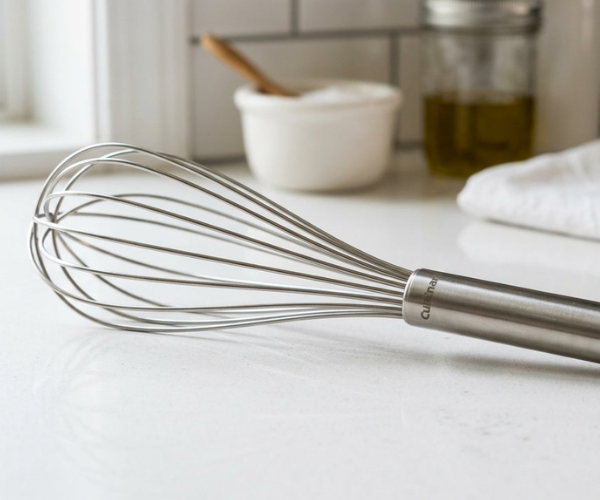
You also don’t need expensive equipment to become a good baker. A few affordable tools can make baking much easier.
Helpful beginner baking tools include:
- Mixing bowls
- Measuring cups and spoons
- Hand mixer or whisk
- Rubber spatula
- Baking sheets
- Muffin pan
- 8×8 baking pan
- Cooling rack
- Parchment paper
As you improve your skills, you can slowly add more specialized tools to your collection.
Follow the Recipe Carefully
When you’re new to baking, it’s important to follow recipes closely. Unlike cooking, baking relies on chemical reactions between ingredients, so small changes can affect the final result.
Pay attention to:
- Ingredient temperatures
- Mixing instructions
- Baking times
- Oven temperature
- Pan sizes
Even simple steps like using room-temperature butter or properly preheating the oven can make a big difference.
Don’t Be Afraid of Mistakes
Every baker has baking fails from time to time. Cookies spread too much, cakes sink in the middle, or brownies come out overbaked. Mistakes are a normal part of learning.
Instead of getting discouraged, use each experience to improve your skills. Often, small adjustments can completely change your results next time.
The more you bake, the more comfortable and confident you’ll become.
Learn Basic Baking Terms
Recipes often include baking terms that can confuse beginners. Understanding a few common terms makes recipes much easier to follow.
Here are a few helpful ones:
- Creaming: Mixing butter and sugar until light and fluffy
- Fold: Gently mixing ingredients together without deflating air
- Preheat: Heating the oven before baking
- Room temperature: Ingredients that are not cold from the fridge
- Soft peaks: Whipped cream that gently folds over
As you practice, these terms will quickly become second nature.
Practice One Recipe More Than Once
One of the fastest ways to improve your baking is by repeating recipes. Instead of trying something completely new every time, practice a few reliable recipes until you understand how the ingredients and techniques work together.
You’ll start noticing:
- How dough should look
- When batter is overmixed
- How long cookies should bake
- What textures mean they’re done
Repetition helps build confidence and skill much faster.
Keep Baking Fun
Baking should feel enjoyable, not stressful. Play your favorite music, bake with family or friends, and celebrate small successes along the way. Even imperfect homemade desserts are usually delicious.
As your confidence grows, you can experiment with flavors, decorations, fillings, and more advanced recipes. Over time, you’ll develop your own baking style and favorite recipes.
Final Thoughts
Starting baking from scratch as a beginner doesn’t have to be complicated. With simple recipes, basic ingredients, and a willingness to learn, anyone can become a confident home baker. The key is to start small, practice often, and enjoy the process.
Before long, you’ll be pulling warm cookies, fluffy cakes, and homemade treats out of the oven with confidence. Baking is a skill that grows with every recipe you try, and the best time to start is right now.